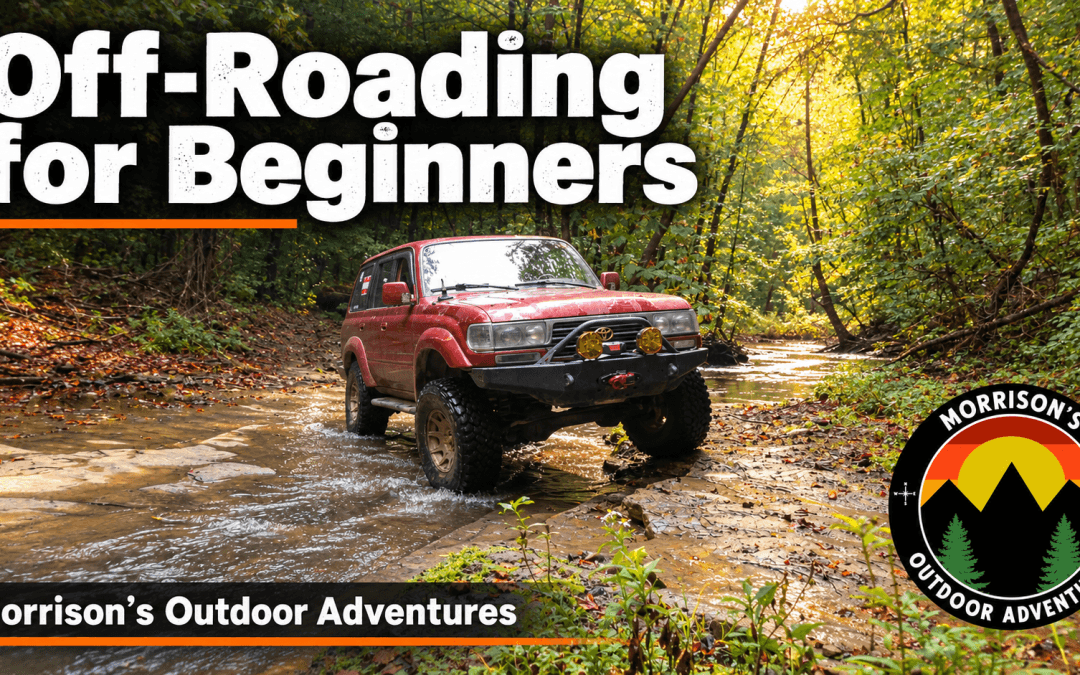
Your first trail ride can open the door to scenic backroads, new friendships, and adventures you will remember for years. It can also bring plenty of questions. Is your vehicle ready? Which trail should you choose? What happens if you get stuck?
Off-roading for beginners starts with understanding your vehicle, choosing an appropriate route, and learning the skills to make thoughtful decisions behind the wheel. A successful first trip leaves you excited to keep learning.
Morrison’s Outdoor Adventures helps new drivers build confidence through off-road instruction and guided experiences. This guide to off-roading for beginners explains what to consider before leaving the pavement.
What Does Off-Roading Involve?
Off-roading means driving beyond paved roads on routes where motor vehicle travel is permitted. Depending on the destination, that might involve maintained gravel roads, uneven forest roads, rocky tracks, or more technical trails.
Those environments can require very different skills and equipment. A scenic backroad suitable for one vehicle may lead to a section that requires greater clearance or a different drivetrain.
For off-roading for beginners, the goal is to find an experience that matches both the driver and the vehicle. Be specific when asking about a route: request information about obstacles, surface conditions, vehicle requirements, and opportunities to turn back.
Know Your Vehicle Before Your First Trail Ride
Start with your owner’s manual. Learn which drivetrain your vehicle has, how its controls work, and what the manufacturer says about off-road operation.
Four-wheel drive and all-wheel drive are not interchangeable systems. Some 4WD vehicles have a low-range transfer case, while many AWD vehicles do not. Activation procedures and operating restrictions also vary by model.
Before your trip, become familiar with:
- Ground clearance: The space beneath the vehicle’s lowest components.
- Approach and departure angles: How the front and rear of the vehicle clear obstacles.
- Breakover clearance: Whether the underside can clear a crest between the wheels.
- Drive modes and traction controls: Their intended uses and limitations.
- Approved recovery points: Locations specifically designed for appropriate recovery loads.
A vehicle’s appearance does not tell you everything about its capability. Large tires and accessories cannot replace an understanding of how the vehicle works. Ask an instructor to explain unfamiliar equipment before relying on it.
Choose a Trail That Fits Your Experience
One of the most useful principles of off-roading for beginners is to start with manageable terrain. Your first trip should provide room to learn without overwhelming you.
Look for a route with clearly described conditions and requirements. Difficulty ratings are useful starting points, but ask how the rating was determined and whether recent weather has changed the trail.
Consider the full outing, including the drive home. A short route with time for questions and breaks can be more valuable than a long day spent feeling rushed.
Confirm That the Route Is Open
A track appearing on a navigation app does not establish permission to drive it. Verify access with the land manager or property owner, including vehicle restrictions and any applicable permits.
For National Forest System routes, consult the appropriate U.S. Forest Service Motor Vehicle Use Map. These maps identify designated motorized routes and allowed vehicle classes; seasonal information may also apply. Check current closures separately and carry a detailed navigation map alongside the access map.
Prepare Your Vehicle Before Leaving Home
Give yourself time to address maintenance concerns before the trip. A warning light, damaged tire, or unexplained leak deserves attention before you head somewhere with limited assistance.
Check your vehicle according to its maintenance guidance, paying particular attention to:
- Tire condition and the spare tire.
- Fluid levels and signs of leaks.
- Brakes, steering, and lights.
- Battery security and condition.
- Loose accessories or cargo.
- Fuel needed for the route and return journey.
Make sure you know where your jack and wheel-changing tools are located and understand their limitations. A factory jack intended for a firm roadside surface may be unsuitable for uneven trail conditions.
Secure equipment inside the vehicle so it cannot shift into passengers or interfere with the controls. Keep frequently needed items accessible without unpacking the entire cargo area.
What to Bring on Your First Off-Road Trip
Build your packing list around the destination, weather, passengers, and expected duration. Even a short outing deserves preparation for an unexpected delay.
Useful starting items include:
- Drinking water and extra food.
- Weather-appropriate clothing and sturdy footwear.
- A first-aid kit and personal medications.
- A flashlight or headlamp.
- Downloaded maps and backup power for navigation devices.
- A suitable communication method for the group.
- Work gloves and vehicle-appropriate tools.
- Trash bags and basic cleanup supplies.
Confirm what your guide or class provides before buying specialized equipment. Ask which items participants must bring and which are recommended.
For your first outing, make a written checklist. It helps you remember practical essentials that are easy to overlook while thinking about tires, accessories, and trail photos.
Build Driving Skills Through Instruction
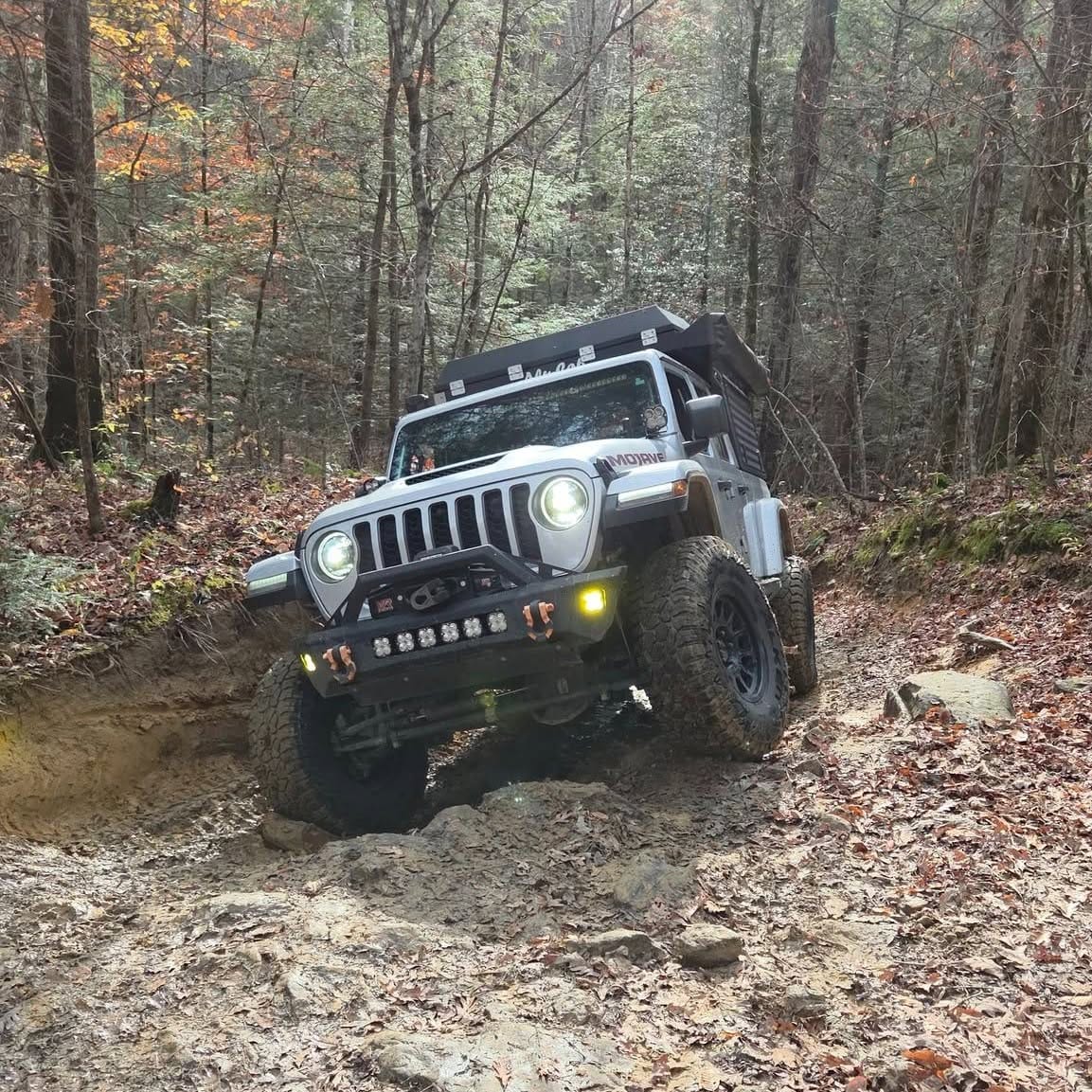
Reading about off-road driving can introduce useful concepts, but it cannot show an instructor how you respond to changing terrain. Hands-on coaching gives you an opportunity to ask questions and receive feedback specific to your vehicle.
Morrison’s off-road training programs include beginner 4WD and AWD options. Their Level 1 courses combine classroom learning, controlled practice, and guided trail application. Check the requirements for your selected class before registering.
During instruction, ask how to assess an obstacle, choose a route through it, and recognize when to stop. Understanding the reason behind a decision helps you apply that lesson later.
Communicate Clearly With Your Spotter
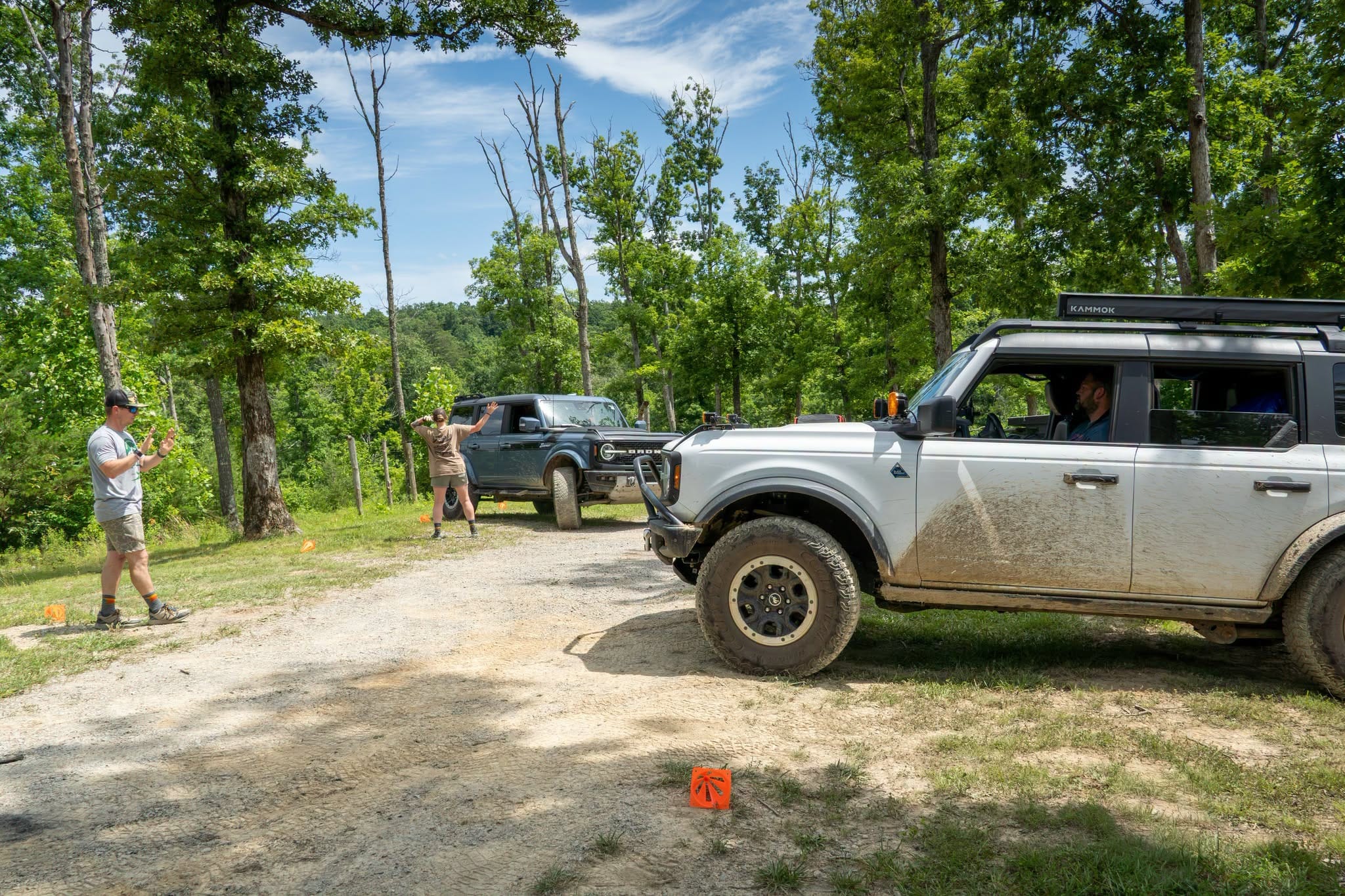
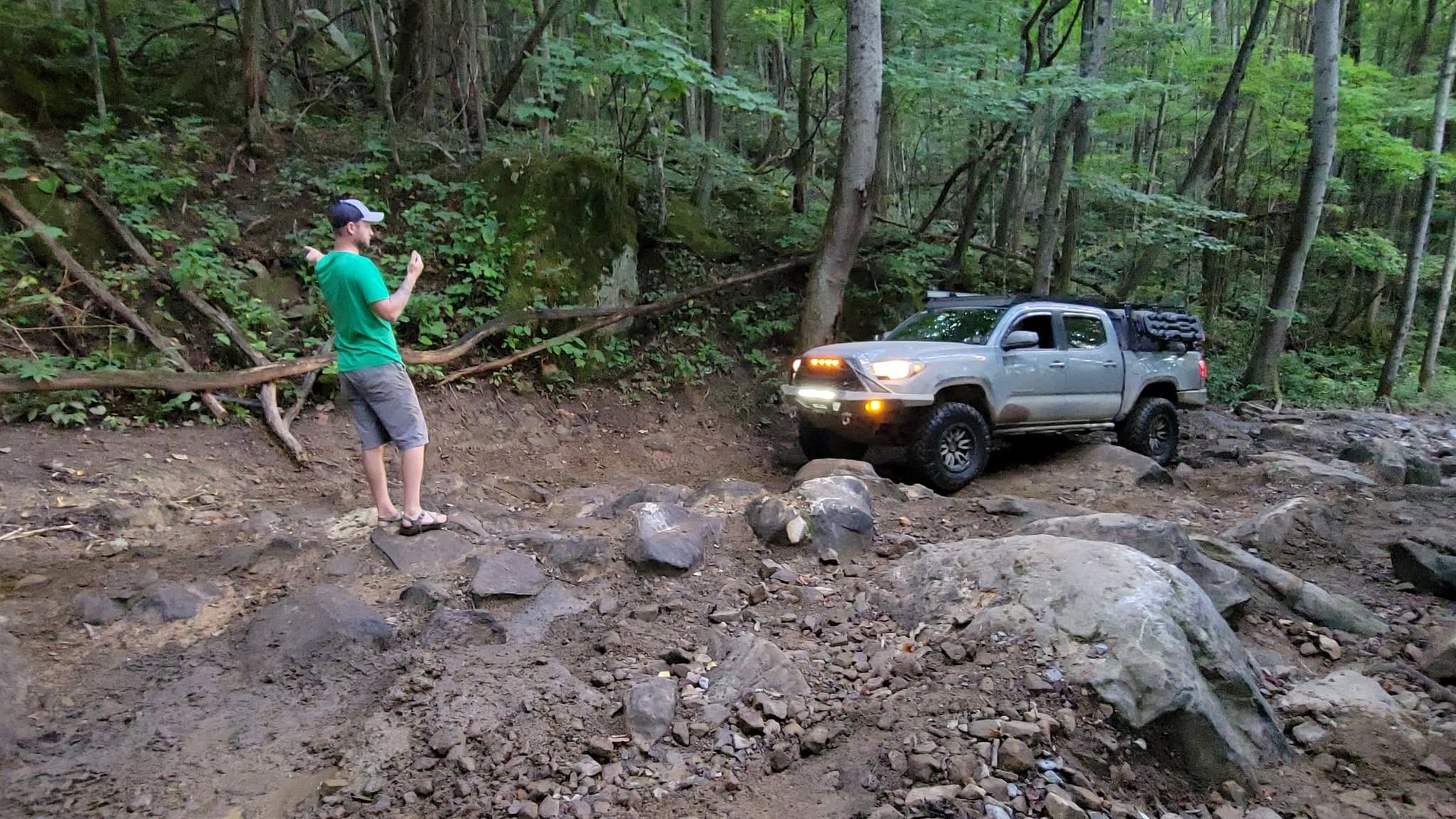
A spotter helps a driver understand vehicle placement where visibility is limited. Before beginning an obstacle, agree on signals and identify who is giving directions.
Stop if a signal becomes unclear or you lose sight of your spotter. Ask for an explanation instead of guessing. Keep passengers and spectators clear of the vehicle’s path.
You are allowed to pause. A calm discussion before moving is more useful than feeling pressured to continue because other people are watching.
Treat Recovery as a Skill to Learn
Buying a recovery rope or winch does not establish that you know how to use it. Equipment selection, attachment points, loads, and the surrounding environment all affect a recovery.
If your vehicle stops making progress, pause and assess the situation with someone qualified to help. Repeated attempts without understanding the problem can make the situation harder to resolve.
Never assume a tow ball, shipping tie-down, or convenient-looking attachment is suitable for vehicle recovery. Use vehicle-approved recovery points and follow equipment instructions.
Morrison’s also offers vehicle recovery instruction through its training pathways. Learning recovery methods in a controlled setting gives beginners a place to ask questions before facing a difficult situation on a remote trail.
Practice Responsible Trail Etiquette
Good trail habits help protect the places you enjoy and make the experience better for everyone sharing them.
The nonprofit Tread Lightly! provides responsible four-wheeling guidance covering preparation, considerate driving, and environmental protection.
Stay on designated routes, respect barriers and private property, and pack out your trash. Avoid widening trails to get around obstacles. If a section exceeds your ability, discuss an authorized alternative or return by a suitable route.
Give other trail users space, keep noise and dust down, and follow posted right-of-way rules. Around horses, stop and communicate with the rider about how to proceed.
Responsible recreation belongs in your first lesson, alongside vehicle controls and trail navigation.
Common Questions About Off-Roading for Beginners
Do I need a heavily modified vehicle?
Not necessarily. Suitability depends on the specific vehicle and route. Before purchasing modifications, ask an instructor whether your current setup meets the requirements for a beginner class or guided ride.
Can I learn in an AWD vehicle?
Yes, provided the class and terrain are appropriate for that vehicle. Morrison’s lists AWD-specific training options. Confirm eligibility and requirements before booking. Morrison’s Outdoor Adventures
What if I feel nervous?
Tell your instructor what concerns you. You might need a clearer explanation, a demonstration, or more practice with a particular control. Asking questions is a useful part of learning.
Should I take a class before a guided ride?
Ask which experience best fits your goals. A class emphasizes instruction, while the amount of coaching on a guided ride can vary. Explain your experience level and vehicle when making an inquiry.
Start Your Off-Road Adventure With Morrison’s
Off-roading for beginners is an opportunity to develop new skills at a comfortable pace. Begin with a suitable route, prepare carefully, and build experience through instruction and practice.
Morrison’s Outdoor Adventures offers training and guided experiences for drivers looking to grow their confidence. Whether you want help understanding your vehicle or choosing your first outing, contact Morrison’s Outdoor Adventures to discuss your experience, vehicle, and goals.
Your first trail ride can be the day you discover how much you enjoy learning what lies beyond the pavement.